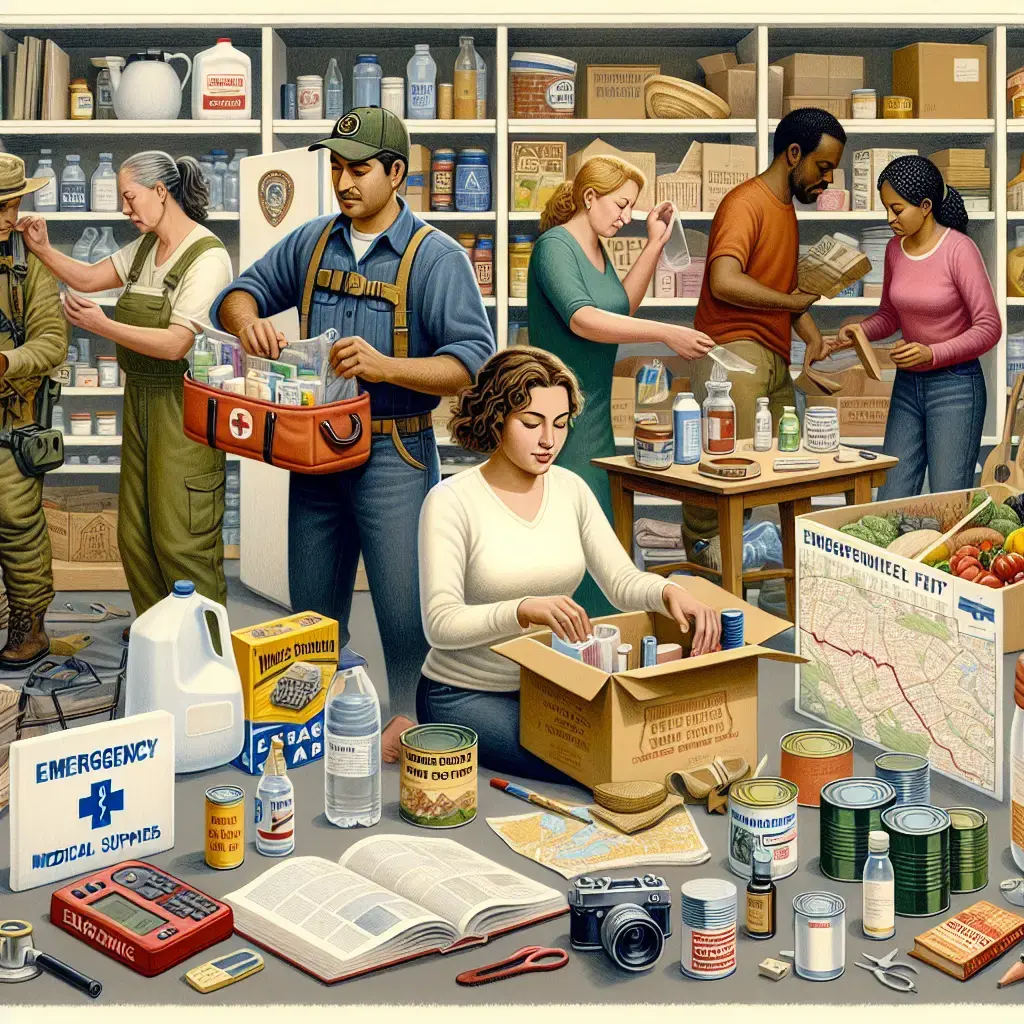
Embarking on the path of off-grid living offers a unique opportunity to embrace self-sufficiency and sustainability, echoing the principles of survivalism.
In the 1970s, a growing concern over potential natural and man-made disasters led to the emergence of survivalism—a movement centered around preparing for catastrophic events. This philosophy resonates deeply with those interested in off-grid living, as both emphasize independence and resilience.
The Essence of Survivalism
Survivalism is a mindset and lifestyle choice that prepares individuals for unforeseen emergencies. It involves:
- Self-Sufficiency: Cultivating the ability to provide for oneself without reliance on external systems.
- Preparedness: Stockpiling essentials such as food, water, and medical supplies.
- Skills Development: Learning vital skills like farming, foraging, and basic first aid.
These elements align closely with the principles of off-grid living, where individuals seek to reduce their dependence on conventional utilities and live harmoniously with nature.
Key Aspects of Off-Grid Living
To successfully live off-grid, one must consider several important factors:
Energy Independence
- Utilizing renewable energy sources such as solar panels or wind turbines.
- Employing energy-efficient appliances to minimize consumption.
Water Management
- Harvesting rainwater and purifying it for safe use.
- Implementing sustainable waste-water systems like composting toilets.
Food Security
- Growing your own produce through permaculture or traditional gardening.
- Raising livestock for dairy, eggs, and meat.
Shelter and Construction
- Building eco-friendly homes using natural materials like straw bales or cob.
- Ensuring proper insulation to maintain a stable indoor climate.
Community Connection
- Engaging with like-minded individuals to share resources and knowledge.
- Establishing networks for trading goods and services.
Embracing the Lifestyle
Off-grid living, much like survivalism, is not just about preparation—it's about embracing a lifestyle that values simplicity, resourcefulness, and environmental stewardship. Those who choose this path often find a profound sense of fulfillment and freedom as they reconnect with the natural world.
Conclusion
Living off the grid offers a rewarding journey towards independence, resilience, and harmony with our environment. By integrating the core principles of survivalism, one can be better prepared for whatever challenges may arise while enjoying a sustainable lifestyle.
To delve deeper into the roots of survivalism and its evolution, you can explore more here.
As you embark on your own journey towards off-grid living, remember that each step taken towards self-sufficiency is a step towards freedom. May your path be filled with discovery, growth, and an ever-deepening connection to the world around you.
Warm regards,
Laura Griffin