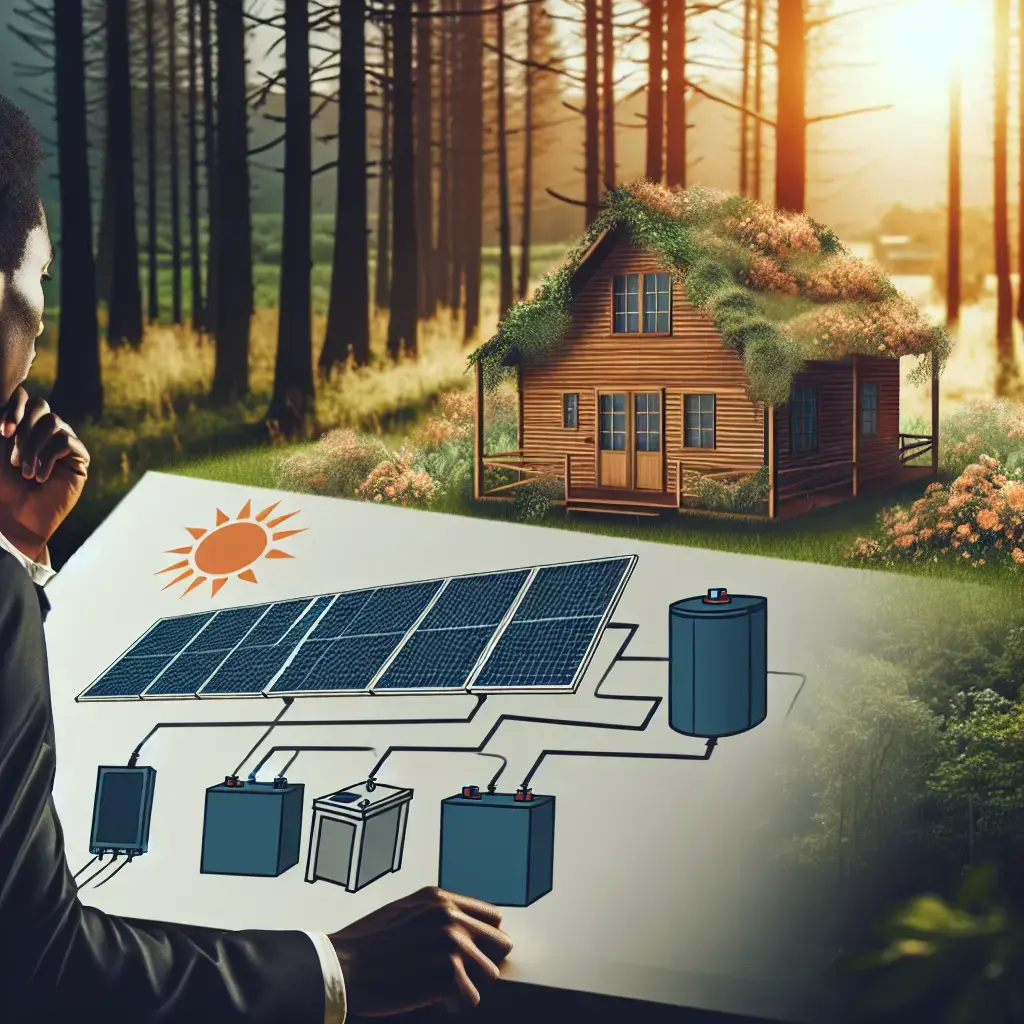
Understanding Off-Grid Solar Power Systems
Harnessing solar energy has become increasingly accessible, providing a sustainable alternative to traditional power sources. For beginners, the journey into solar power may seem daunting. However, understanding the fundamental components of an off-grid solar power system can simplify the process. These systems primarily consist of solar panels, a solar inverter, and solar battery storage. This section will guide you through each component and how they contribute to a successful off-grid solar setup.
Solar Panels for Beginners
Solar panels are the cornerstone of any solar power system, converting sunlight into electricity. For beginners, selecting the right solar panels involves considering factors like efficiency, cost, and size. Recent advancements have made solar panels more efficient and affordable, with manufacturers continuously improving technology to maximize energy capture. Resources such as EnergySage provide valuable comparisons to help you choose the best panels for your needs.
The Role of Solar Inverters
Solar inverters play a crucial role in converting the direct current (DC) produced by solar panels into alternating current (AC), which can be used by household appliances. Understanding the different types of inverters—such as string inverters, microinverters, and hybrid inverters—is essential for beginners. A beginner's guide to solar inverters offers more insight into which option best suits your DIY solar power system.
Importance of Solar Battery Storage
Storing excess energy for use during non-sunny periods is vital for off-grid living with solar. Financial incentives are available for installing home battery systems, making this component more affordable and attractive. For instance, the IRS offers tax credits for battery installations (source: Forbes).
Steps to Setting Up Your DIY Solar Power System
Creating an off-grid solar setup requires careful planning and understanding of solar energy basics. This section provides a step-by-step approach to setting up your system:
- Assess Your Energy Needs: Calculate your daily energy consumption to determine the size of your solar power system.
- Select Your Components: Choose suitable solar panels, an inverter, and battery storage based on your energy assessment.
- Design Your System: Plan the layout of your system, ensuring optimal placement of panels for maximum sunlight exposure.
- Installation: Follow safety guidelines and installation instructions or hire professionals if necessary.
- Testing and Maintenance: Regularly monitor system performance and conduct maintenance checks to ensure efficiency.
Off-Grid Solar Kits: Simplifying the Transition
Off-grid solar kits have emerged as convenient options for beginners, bundling necessary components into one package. Companies like Renogy offer kits tailored for various needs, simplifying the transition to renewable energy. These kits often include instructional materials, making them ideal for those new to solar power.
Transitioning to Sustainable Energy Solutions
Embracing off-grid living with solar is not just a technological shift; it’s a lifestyle change that emphasizes sustainability and independence. As we navigate climate challenges, adopting renewable energy solutions becomes increasingly crucial. Resources such as Climate Central provide valuable insights into how individuals can prepare for climate change and make informed decisions about their energy usage.
Case Study: Formula One’s Sustainable Initiatives
While exploring sustainable energy solutions, it's interesting to note how industries are adapting. Formula One has made significant strides towards sustainability in 2024 by integrating hybrid engines and sustainable fuel alternatives (source: F1Technical). Such initiatives highlight the potential for renewable energy innovations across various sectors.
The Future of Off-Grid Solar Installation
As technology evolves, off-grid solar installations will become even more efficient and accessible. Products like Anker’s SOLIX F3800 demonstrate how portable power stations are revolutionizing home backup systems (source: CleanTechnica). These advancements ensure that off-grid solar setups remain viable options for those seeking sustainable energy solutions.
Conclusion
Transitioning to off-grid solar power offers numerous benefits, from reducing reliance on traditional energy sources to contributing positively to the environment. By understanding the basics and utilizing resources like off-grid solar kits, even beginners can successfully set up their own systems. As we continue to face global energy challenges, embracing renewable energy is not just a choice but a necessary step toward a sustainable future.
Adopting off-grid solar power isn't merely a technological upgrade—it's a step toward a sustainable lifestyle that prioritizes ecological responsibility and energy autonomy. Are you prepared to embrace the solar revolution and take control of your energy future?
We invite you to share your thoughts, experiences, or questions in the comments below. Have you considered transitioning to off-grid living with solar? What challenges or successes have you encountered on your journey? Your insights could inspire others to explore this sustainable path.
Author: Laura Griffin