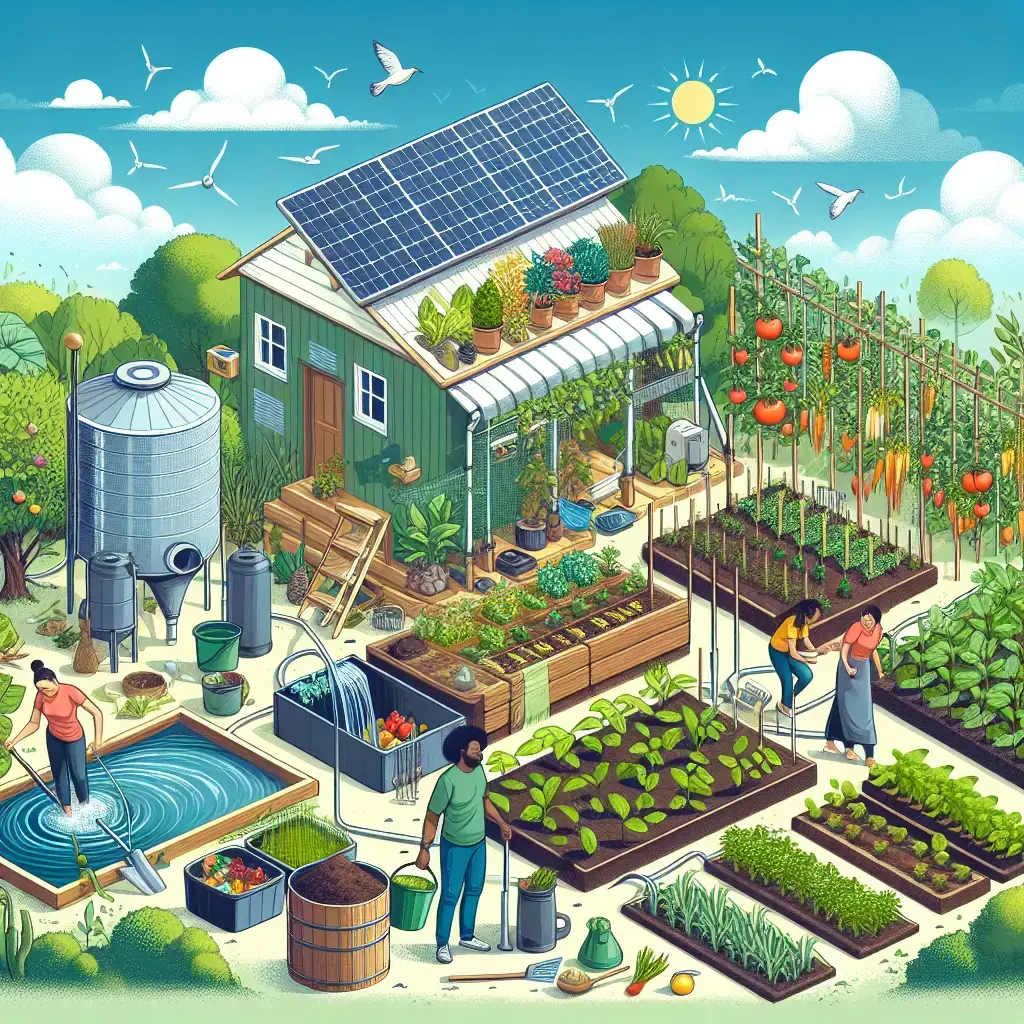
In today's world, the pursuit of a self-sufficient garden has never been more relevant or rewarding. As individuals increasingly embrace off-grid living and sustainable lifestyles, off-grid gardening emerges as a cornerstone of this movement. This approach to eco-friendly gardening not only fosters a deeper connection with nature but also empowers individuals to grow their own food, reducing reliance on external resources. By integrating the principles of permaculture and organic gardening, enthusiasts can cultivate a thriving homesteading garden that utilizes renewable resources to the fullest.
Off-grid food production taps into the potential of heirloom seeds and raised bed gardening, ensuring that every harvest is both bountiful and nutritious. These techniques are not just about productivity; they are about cultivating a self-reliant garden that thrives through the mindful application of water conservation gardening and solar-powered garden practices. Through DIY garden projects, gardeners can explore innovative composting techniques and natural pest control methods, enhancing their plots' resilience and sustainability.
A renewable resources garden is more than just a collection of plants; it is a testament to sustainable living and an expression of a commitment to an eco-conscious lifestyle. With the right strategies, you can create a permaculture garden that not only supports your off-grid living ambitions but also enriches the local ecosystem. This journey requires dedication, but the rewards—a thriving, self-sufficient garden capable of sustaining your needs—are well worth the effort.
In the following sections, we will delve into practical tips and insights for transforming your garden into a model of off-grid food production and sustainable gardening. From selecting the best heirloom seeds to mastering water conservation techniques, we will guide you through every step of building a garden that stands as a beacon of self-reliance and environmental stewardship.
In the quest for sustainable living, creating a self-sufficient off-grid garden is not only an environmentally friendly choice but also a rewarding venture. With rising energy costs and an increased interest in off-grid living, more individuals are exploring ways to harness the power of nature to sustain themselves. This comprehensive guide delves into the essential aspects of building an off-grid garden, integrating recent developments and examples from the world of sustainable living.
Understanding the Basics of Off-Grid Gardening
Off-grid gardening is a form of eco-friendly gardening that reduces reliance on municipal water and power sources. It utilizes permaculture principles and organic gardening techniques to create a thriving, self-reliant garden. The goal is to cultivate a renewable resources garden that can sustain itself and its caretakers with minimal external inputs.
Why Opt for Off-Grid Gardening?
With news like the rising popularity of Dabney Tompkins and Alan Colley's Summit Prairie, marketed as "off the grid and 40 feet up," it's clear that there's a growing demand for off-grid experiences (explore more about Summit Prairie). This trend reflects a broader societal shift towards sustainable living, driven by factors such as environmental concerns and the desire for self-sufficiency.
Essential Components of a Self-Sufficient Garden
Heirloom Seeds and Raised Bed Gardening
Heirloom seeds are vital for a permaculture garden as they are open-pollinated and maintain biodiversity. Raised bed gardening allows for better soil control and efficient use of space, which is crucial in a homesteading garden setup. According to Mother Earth News, these methods help maximize yield and nutritional value, ensuring your garden thrives.
Water Conservation Gardening
With water scarcity becoming an increasing concern, adopting water conservation gardening techniques is imperative. From rainwater harvesting systems to drip irrigation, these methods can significantly reduce water usage while maintaining plant health. Discover innovative solutions such as solar-powered water pumps that align perfectly with off-grid living.
Solar-Powered Garden Practices
Solar energy is a cornerstone of sustainable gardening. As reported by CNET, 78% of Americans are concerned about rising energy costs, making solar panels an attractive solution. Utilizing solar power in your garden can support everything from water features to lighting, enhancing both functionality and aesthetic appeal.
Implementing DIY Garden Projects
DIY projects are at the heart of self-reliant gardening. They not only personalize your garden space but also foster creativity and innovation.
Composting Techniques
Effective composting reduces waste and enriches soil fertility. Techniques such as vermicomposting or hot composting accelerate decomposition, producing nutrient-rich compost quickly.
Natural Pest Control
Avoiding chemical pesticides is crucial for an organic garden. Implementing natural pest control methods like companion planting or introducing beneficial insects can protect plants without harming the ecosystem.
Case Studies and Innovations in Off-Grid Living
The CyberTrailer: A Modern Take on Off-Grid Living
Kurt “CyberGuy” Knutsson’s exploration of the CyberTrailer showcases advanced technology in off-grid living (learn more here). This solar-powered luxury e-trailer exemplifies how innovative design can merge with sustainability, offering insights into how similar principles can be applied in off-grid gardening setups.
The Chipper Tiny Home: Micro-Living Meets Sustainability
Tiny homes like The Chipper embrace micro-living by maximizing space with minimal resources (explore The Chipper). These principles are applicable in designing compact yet efficient garden spaces that support off-grid food production.
Navigating Challenges in Sustainable Gardening
While the rewards of a self-sufficient garden are plentiful, challenges such as soil fertility management and pest control require careful planning and execution.
Adapting to Climate Change
Climate change poses a significant threat to agricultural practices. By incorporating resilient plant species and adaptive techniques, gardeners can mitigate some of these impacts. A permaculture approach, focusing on ecosystem balance, can be particularly effective here.
Security in Off-Grid Settings
Safety concerns in remote locations can be addressed with modern security solutions that do not rely on internet or electricity. Recent advancements in off-the-grid home security technology provide viable options (read more on TechCrunch).
Conclusion: Cultivating a Sustainable Future
Creating a self-sufficient off-grid garden is an enriching journey that combines sustainable living with personal fulfillment. By adopting eco-friendly practices, you can contribute significantly to environmental preservation while enjoying the bounty of your efforts. Here are the key takeaways to guide your sustainable gardening adventure:
- Heirloom Seeds & Raised Beds: These essential components promote biodiversity and efficient use of space, maximizing your garden's yield and nutritional value.
- Water Conservation: Implementing techniques like rainwater harvesting and solar-powered irrigation systems reduces water usage and supports plant health.
- Solar Energy: Embrace solar power to support various garden functions, addressing concerns about rising energy costs and enhancing garden aesthetics.
- DIY Projects: From composting to natural pest control, these projects personalize your garden and encourage innovative approaches to sustainability.
Navigating the challenges of sustainable gardening, such as adapting to climate change and ensuring security, requires thoughtful planning and innovative solutions. By focusing on permaculture principles and eco-friendly technologies, you can overcome these obstacles and create a thriving, self-sufficient garden.
As you embark on this path, consider how off-grid gardening not only enriches your life but also fosters a deeper connection to nature. Reflect on the case studies of the CyberTrailer and The Chipper Tiny Home for inspiration, and explore further techniques to enhance your garden's sustainability.
We invite you to share your experiences and insights in the comments below. How have you integrated these sustainable practices into your own garden? What challenges have you faced, and what successes have you celebrated? Your journey can inspire others to take their first steps towards a more sustainable lifestyle.
Thank you for joining me on this exploration of self-sufficient gardening. Together, we can cultivate a future that honors both our well-being and the planet.
Author: Laura Griffin